Publications
Publications in reversed chronological order
2025
- Behav Ecol Sociobiol
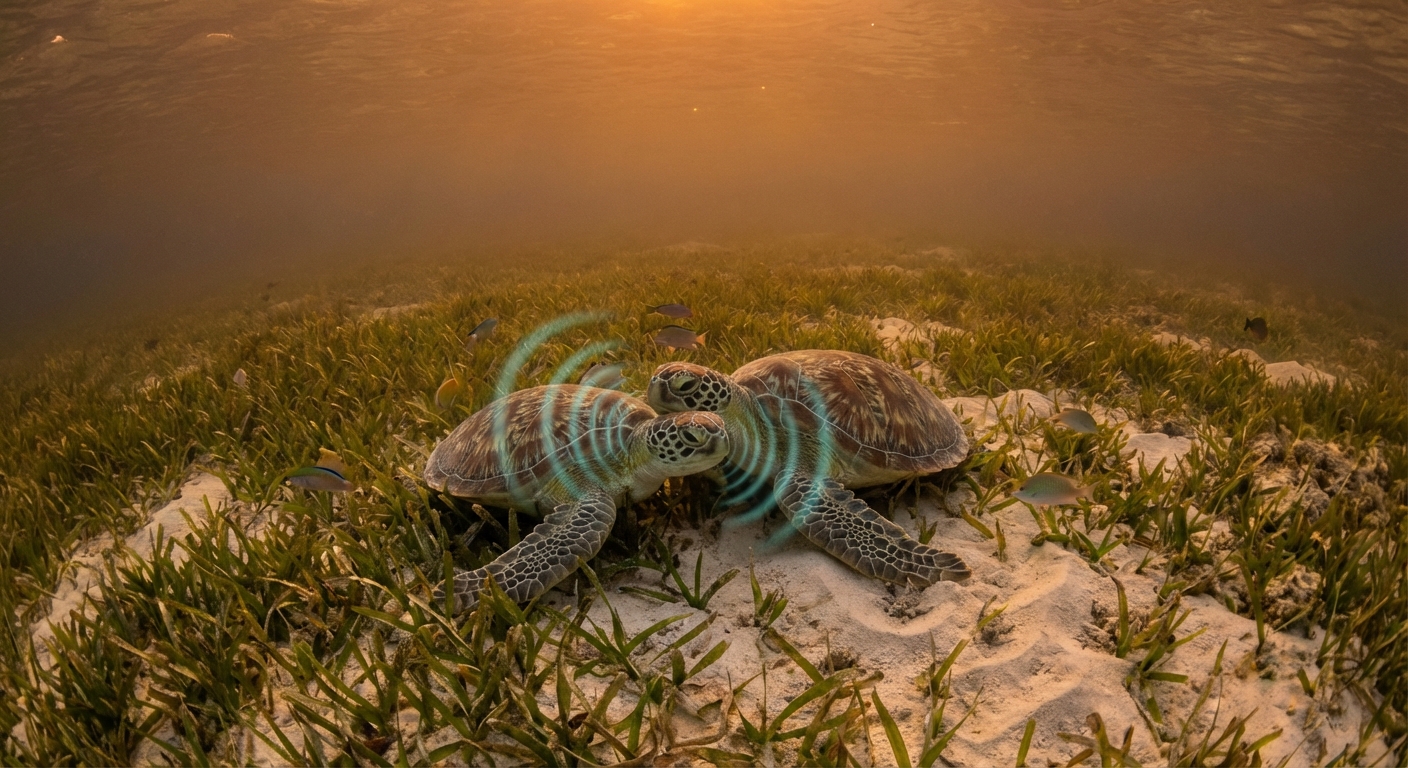 Description of the behavioural contexts of underwater sound production in juvenile green turtles Chelonia mydasLéo Maucourt, Isabelle Charrier, Chloé Huetz, and 10 more authorsBehavioral Ecology and Sociobiology , 2025
Green sea turtles Chelonia mydas have the ability to hear and produce sounds under water, with some of them potentially involved in social communication. To investigate the potential biological function of these sounds, we used a combination of acoustic, video and multi-sensor recordings of 23 free-ranging juvenile green turtles and we examined the co-occurrences of sounds with behaviours or external events. Our study revealed that most of the sounds were produced when the sea turtles were resting or swimming. However, four sound types were produced in more specific contexts. Long sequences of rumbles were recorded after sunset and mainly during resting. All these rumbles appear to have been produced by several individuals recorded simultaneously, suggesting that rumbles may be used for social interactions. The frequency modulated sound was highly associated with scratching behaviour. The grunt that was produced occasionally when green turtles were vigilant or approaching a conspecific. The long squeak was produced significantly by a small number of individuals in the presence of humans. The grunt and the long squeak may be the first evidence of an alarm or warning signal for intra-specific communication in green turtles. Our results mark a significant milestone in advancing the understanding of sound production in the behavioural ecology of sea turtles. Further experimental investigations (i.e., playback experiments) are now required to test the hypotheses suggested by our findings. Warning signals could be used to prevent sea turtles of a danger and may contribute to their conservation.
@article{maucourt_description_2025, title = {Description of the behavioural contexts of underwater sound production in juvenile green turtles Chelonia mydas}, volume = {79}, issn = {1432-0762}, doi = {10.1007/s00265-025-03561-z}, pages = {25}, number = {2}, journal = {Behavioral Ecology and Sociobiology }, author = {Maucourt, Léo and Charrier, Isabelle and Huetz, Chloé and Aubert, Nathalie and Bourgeois, Ouvéa and Jeantet, Lorène and Lecerf, Nicolas and Lefebvre, Fabien and Lelong, Pierre and Lepori, Muriel and Martin, Jordan and Régis, Sidney and Chevallier, Damien}, year = {2025}, dimensions = {true}, } - EcoHealth
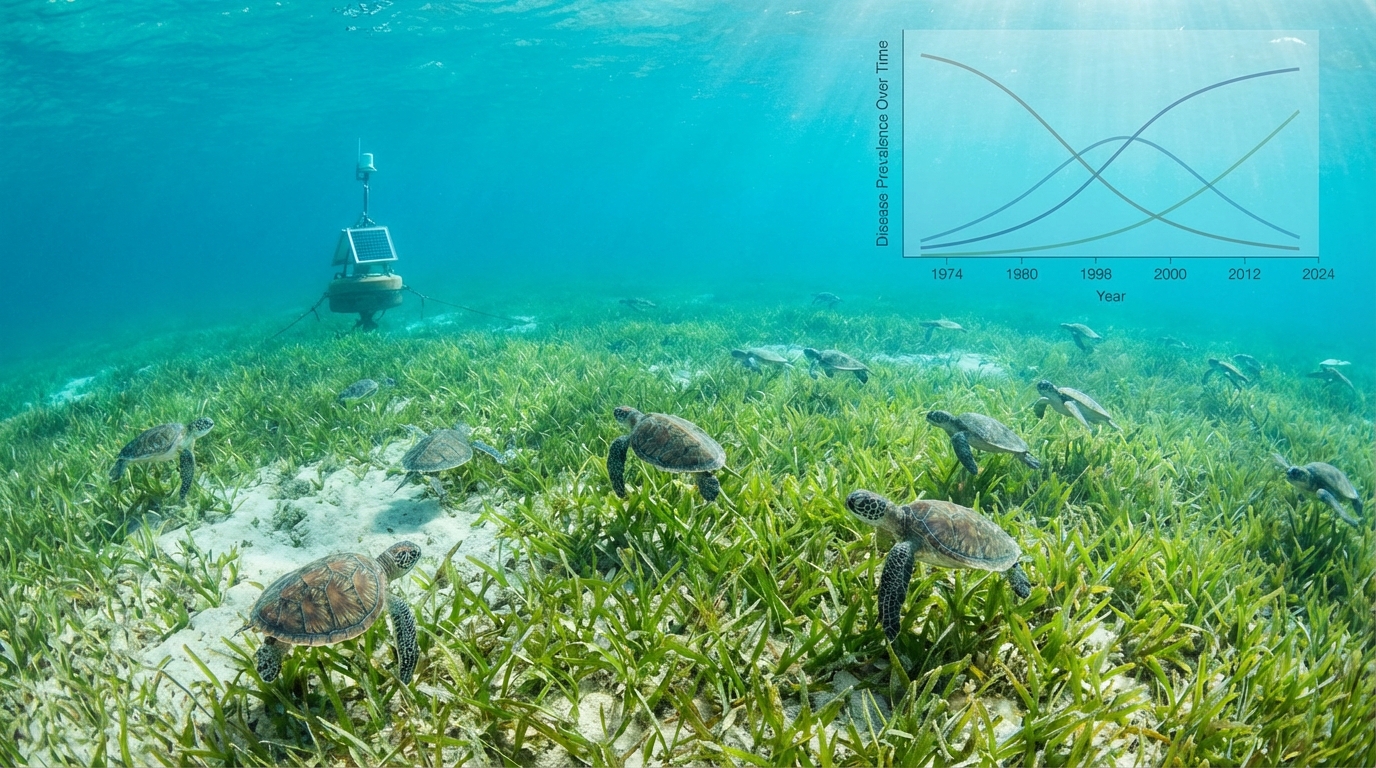 Fibropapillomatosis Dynamics, Severity and Demographic Effect in Caribbean Green TurtlesPierre Lelong, Aurélien Besnard, Marc Girondot, and 42 more authorsEcoHealth, 2025
Habitat degradation induced by human activities can exacerbate the spread of wildlife disease and could hinder the recovery of imperiled species. The endangered green turtle Chelonia mydas is impacted worldwide by fibropapillomatosis (FP), a neoplastic infectious disease likely triggered by the Scutavirus chelonidalpha5 with coastal anthropogenic stressors acting as cofactors in disease development. Here, we studied fibropapillomatosis dynamics and its demographic consequences using an 11-year capture-mark-recapture dataset in Anse du Bourg d’Arlet/Chaudière (ABAC) and Grande Anse d’Arlet (GA), two juvenile green turtle foraging grounds in Martinique, French West Indies. Afflicted turtles had similar mortality and permanent emigration rates to the non-afflicted ones. Fibropapillomatosis was commonly observed in large individuals and disease recovery may take several years. Consequently, permanent emigration before full recovery from the disease is suspected and might affect the developmental migration success. Additionally, the results revealed that the FP had higher prevalence and severity, and progressed two times faster in ABAC than in GA despite the proximity (\textless 2 km) and the similarity of the two foraging grounds. The reasons for these differences remain unidentified. Locally, further studies should be focused on the determination of the external and internal cofactors related to the observed FP dynamics. Finally, the investigations should be extended at a global regional scale to determine potential deleterious effect of the FP on the adult life-stage. These perspectives improves upon our overall understanding on the interplay between wildlife diseases, hosts and environmental factors.
@article{lelong_fibropapillomatosis_2025,
  title = {Fibropapillomatosis Dynamics, Severity and Demographic Effect in Caribbean Green Turtles},
  volume = {22},
  doi = {10.1007/s10393-025-01701-5},
  pages = {108--123},
  number = {1},
  journal = {EcoHealth},
  author = {Lelong, Pierre and Besnard, Aurélien and Girondot, Marc and Habold, Caroline and Priam, Fabienne and Giraudeau, Mathieu and Le Loc’h, Guillaume and Le Loc’h, Aurélie and Fournier, Pascal and Fournier-Chambrillon, Christine and Fort, Jérôme and Bustamante, Paco and Dupont, Sophie M. and Vincze, Orsolya and Page, Annie and Perrault, Justin R. and De Thoisy, Benoît and Gros-Desormeaux, Jean-Raphaël and Martin, Jordan and Bourgeois, Ouvéa and Lepori, Muriel and Régis, Sidney and Lecerf, Nicolas and Lefebvre, Fabien and Aubert, Nathalie and Frouin, Cédric and Flora, Frédéric and Pimentel, Esteban and Passalboni, Anne-Sophie and Jeantet, Lorène and Hielard, Gaëlle and Louis-Jean, Laurent and Brador, Aude and Giannasi, Paul and Etienne, Denis and Lecerf, Nathaël and Chevallier, Pascale and Chevallier, Tao and Meslier, Stéphane and Landreau, Anthony and Desnos, Anaïs and Maceno, Myriane and Larcher, Eugène and Le Maho, Yvon and Chevallier, Damien},
  year = {2025},
  dimensions = {true},
}
2024
- Am. J. Primatol.
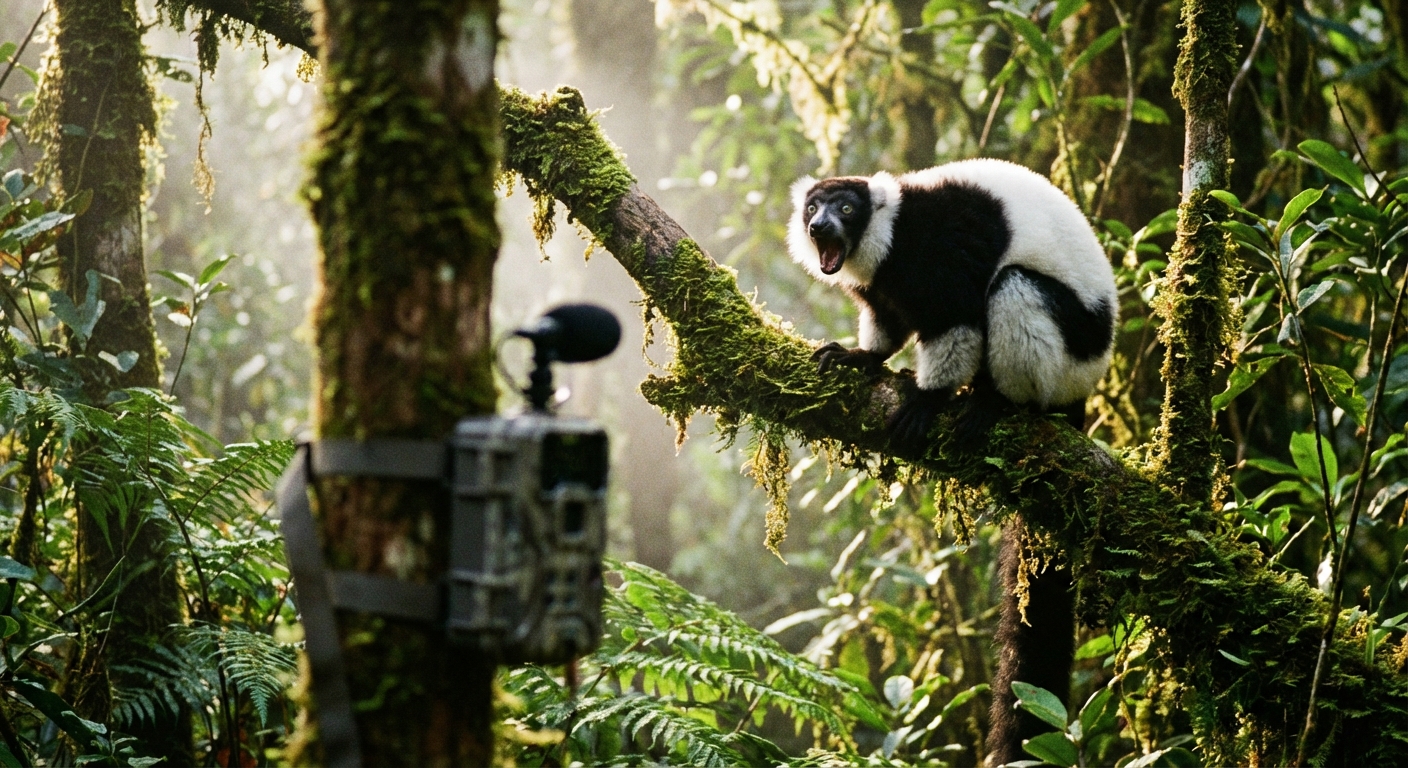 An integrated passive acoustic monitoring and deep learning pipeline for black-and-white ruffed lemurs (Varecia variegata) in Ranomafana National Park, MadagascarCarly H. Batist, Emmanuel Dufourq, Lorène Jeantet, and 3 more authorsAmerican Journal of Primatology, 2024
The urgent need for effective wildlife monitoring solutions in the face of global biodiversity loss has resulted in the emergence of conservation technologies such as passive acoustic monitoring (PAM). While PAM has been extensively used for marine mammals, birds, and bats, its application to primates is limited. Black-and-white ruffed lemurs (Varecia variegata) are a promising species to test PAM with due to their distinctive and loud roar-shrieks. Furthermore, these lemurs are challenging to monitor via traditional methods due to their fragmented and often unpredictable distribution in Madagascar’s dense eastern rainforests. Our goal in this study was to develop a machine learning pipeline for automated call detection from PAM data, compare the effectiveness of PAM versus in-person observations, and investigate diel patterns in lemur vocal behavior. We did this study at Mangevo, Ranomafana National Park by concurrently conducting focal follows and deploying autonomous recorders in May–July 2019. We used transfer learning to build a convolutional neural network (optimized for recall) that automated the detection of lemur calls (57-h runtime; recall = 0.94, F1 = 0.70). We found that PAM outperformed in-person observations, saving time, money, and labor while also providing re-analyzable data. Using PAM yielded novel insights into V. variegata diel vocal patterns; we present the first published evidence of nocturnal calling. We developed a graphic user interface and open-sourced data and code, to serve as a resource for primatologists interested in implementing PAM and machine learning. By leveraging the potential of this pipeline, we can address the urgent need for effective primate population surveys to inform conservation strategies.
@article{batist_integrated_2024, title = {An integrated passive acoustic monitoring and deep learning pipeline for black-and-white ruffed lemurs (Varecia variegata) in Ranomafana National Park, Madagascar}, issn = {10982345}, doi = {10.1002/ajp.23599}, pages = {1--18}, journal = {American Journal of Primatology}, author = {Batist, Carly H. and Dufourq, Emmanuel and Jeantet, Lorène and Razafindraibe, Mendrika N. and Randriamanantena, Francois and Baden, Andrea L.}, year = {2024}, dimensions = {true}, } - Biol. Conserv.
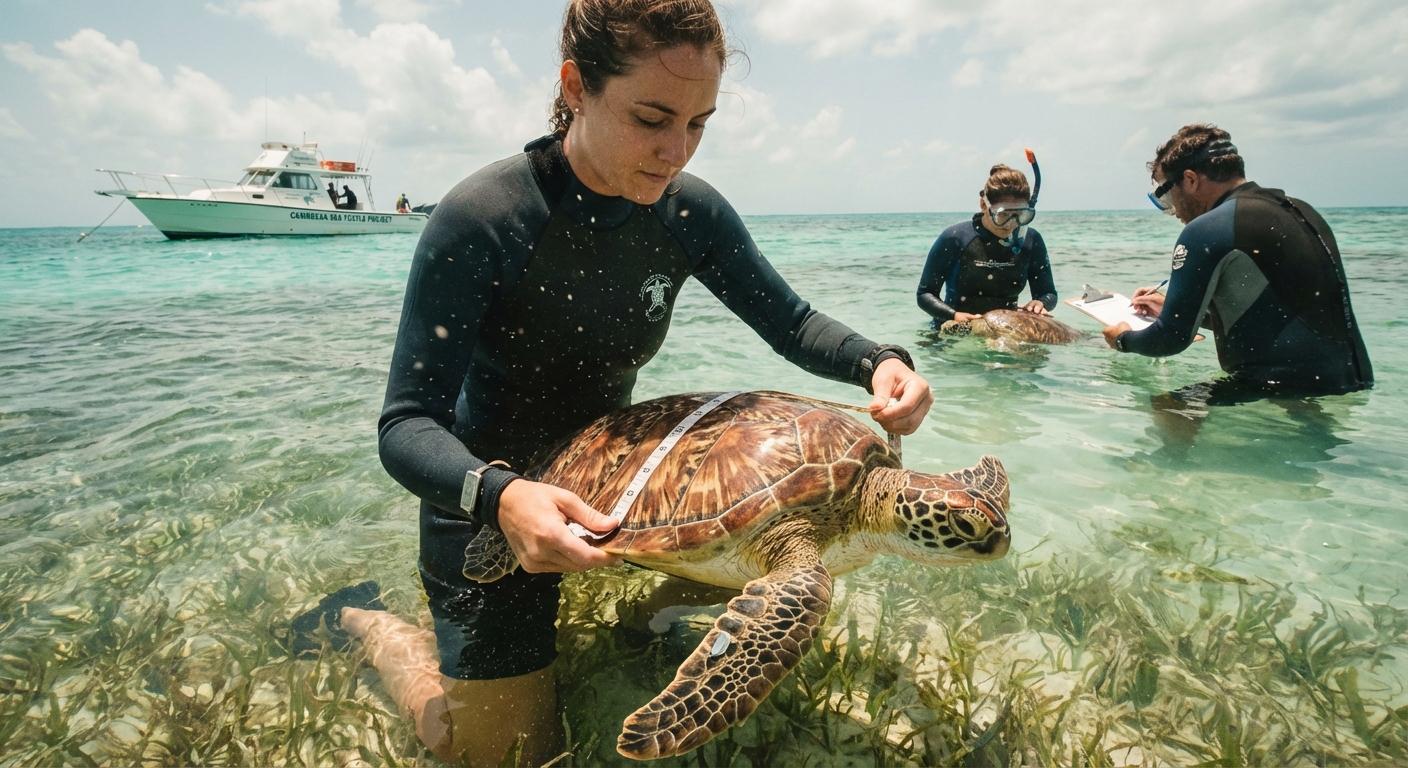 Demography of endangered juvenile green turtles in face of environmental changes: 10 years of capture-mark-recapture efforts in MartiniquePierre Lelong, Aurélien Besnard, Marc Girondot, and 41 more authorsBiological Conservation, 2024
Estimating demographic parameters is key for unraveling the mechanisms governing the population dynamics of species of conservation concern. Endangered green sea turtles navigate vast geographical ranges during their life cycle and face various pressures in coastal areas, especially during their juvenile life-stage. Here, we investigated survival, abundance, recruitment and emigration of juvenile green turtles on two developmental grounds in Martinique, French West Indies, using a capture-mark-recapture dataset of 658 captures over 10 years. We detected increasing abundances of green turtles, likely attributed to the continuous recruitment of new individuals, low mortality and low rate of emigration from these two developmental sites. Local recruitment slightly decreased with small turtle densities while emigration strongly increased with large turtle densities. These results associated with known food availability and size-dependent diet preference of local green turtles suggest that the expansion of invasive seagrass H. stipulacea may facilitate the settlement of small juveniles, however it also limits the capacity of seagrass beds to sustain large juveniles. Boat anchorage, pollution and H. stipulacea invasion reduced the availability of native seagrass species. This could intensify competition between large turtles, trigger earlier emigration, therefore modifying the structure of the green turtle population in Martinique. Measures to protect native seagrass beds are essential to maintain their capacity to sustain the entire green turtle developmental life-stage. This study will help to connect sea turtle life-stages and to inspire efficient regional conservation measures. Finally, our results will help to understand the demography of endangered megaherbivores in context of grazing areas degradation.
@article{lelong_demography_2024, title = {Demography of endangered juvenile green turtles in face of environmental changes: 10 years of capture-mark-recapture efforts in Martinique}, volume = {291}, issn = {00063207}, doi = {10.1016/j.biocon.2024.110471}, journal = {Biological Conservation}, author = {Lelong, Pierre and Besnard, Aurélien and Girondot, Marc and Habold, Caroline and Priam, Fabienne and Giraudeau, Mathieu and Le Loc'h, Guillaume and Le Loc'h, Aurélie and Fournier, Pascal and Fournier-Chambrillon, Christine and Bustamante, Paco and Dupont, Sophie M. and Vincze, Orsolya and Gros-Desormeaux, Jean Raphaël and Martin, Jordan and Bourgeois, Ouvéa and Lepori, Muriel and Régis, Sidney and Lecerf, Nicolas and Lefebvre, Fabien and Aubert, Nathalie and Frouin, Cédric and Flora, Frédéric and Pimentel, Esteban and Pimentel, Manon and Siegwalt, Flora and Jeantet, Lorène and Chambault, Philippine and Hielard, Gaëlle and Arqué, Alexandre and Arthus, Mosiah and Louis-Jean, Laurent and Brador, Aude and Giannasi, Paul and Etienne, Denis and Lecerf, Nathaël and Chevallier, Pascale and Chevallier, Tao and Meslier, Stéphane and Landreau, Anthony and Maceno, Myriane and Larcher, Eugène and Le Maho, Yvon and Chevallier, Damien}, year = {2024}, dimensions = {true}, } - R. Soc. Open Sci.
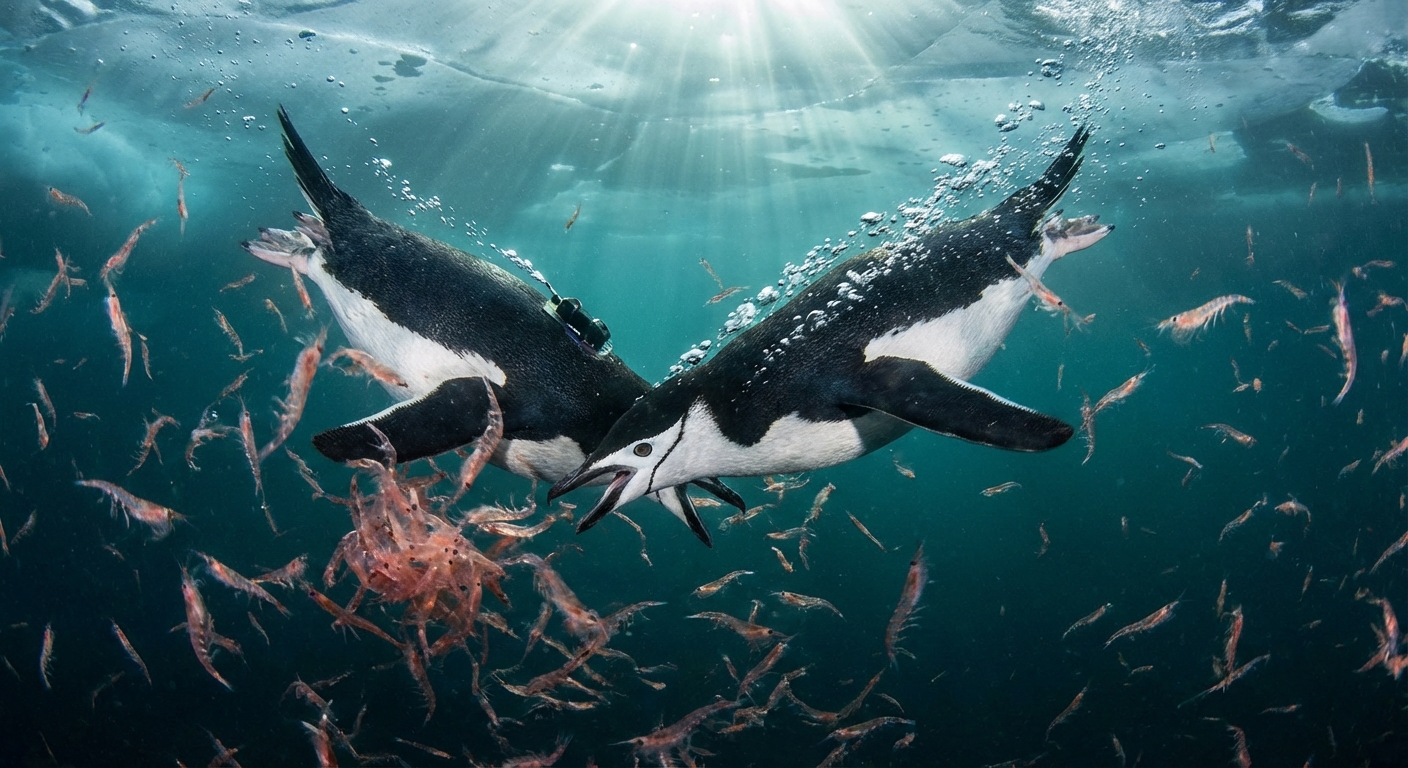 Identifying prey capture events of a free-ranging marine predator using bio-logger data and deep learningStefan Schoombie, Lorène Jeantet, Marianna Chimienti, and 5 more authors2024
Marine predators are integral to the functioning of marine ecosystems, and their consumption requirements should be integrated into ecosystem-based management policies. However, estimating prey consumption in diving marine predators requires innovative methods as predator–prey interactions are rarely observable. We developed a novel method, validated by animal-borne video, that uses tri-axial acceleration and depth data to quantify prey capture rates in chinstrap penguins (Pygoscelis antarctica). These penguins are important consumers of Antarctic krill (Euphausia superba), a commercially harvested crustacean central to the Southern Ocean food web. We collected a large data set (n = 41 individuals) comprising overlapping video, accelerometer and depth data from foraging penguins. Prey captures were manually identified in videos, and those observations were used in supervised training of two deep learning neural networks (convolutional neural network (CNN) and V-Net). Although the CNN and V-Net architectures and input data pipelines differed, both trained models were able to predict prey captures from new acceleration and depth data (linear regression slope of predictions against video-observed prey captures = 1.13; R² ≈ 0.86). Our results illustrate that deep learning algorithms offer a means to process the large quantities of data generated by contemporary bio-logging sensors to robustly estimate prey capture events in diving marine predators.
@article{schoombie_identifying_2024, title = {Identifying prey capture events of a free-ranging marine predator using bio-logger data and deep learning}, volume = {11}, doi = {10.1098/rsos.240271}, pages = {240271}, journaltitle = {Royal Society Open Science}, author = {Schoombie, Stefan and Jeantet, Lorène and Chimienti, Marianna and Sutton, Grace and Pistorius, Pierre and Dufourq, Emmanuel and Lowther, Andrew and Oosthuizen, W}, year = {2024}, dimensions = {true}, } - SAICSIT
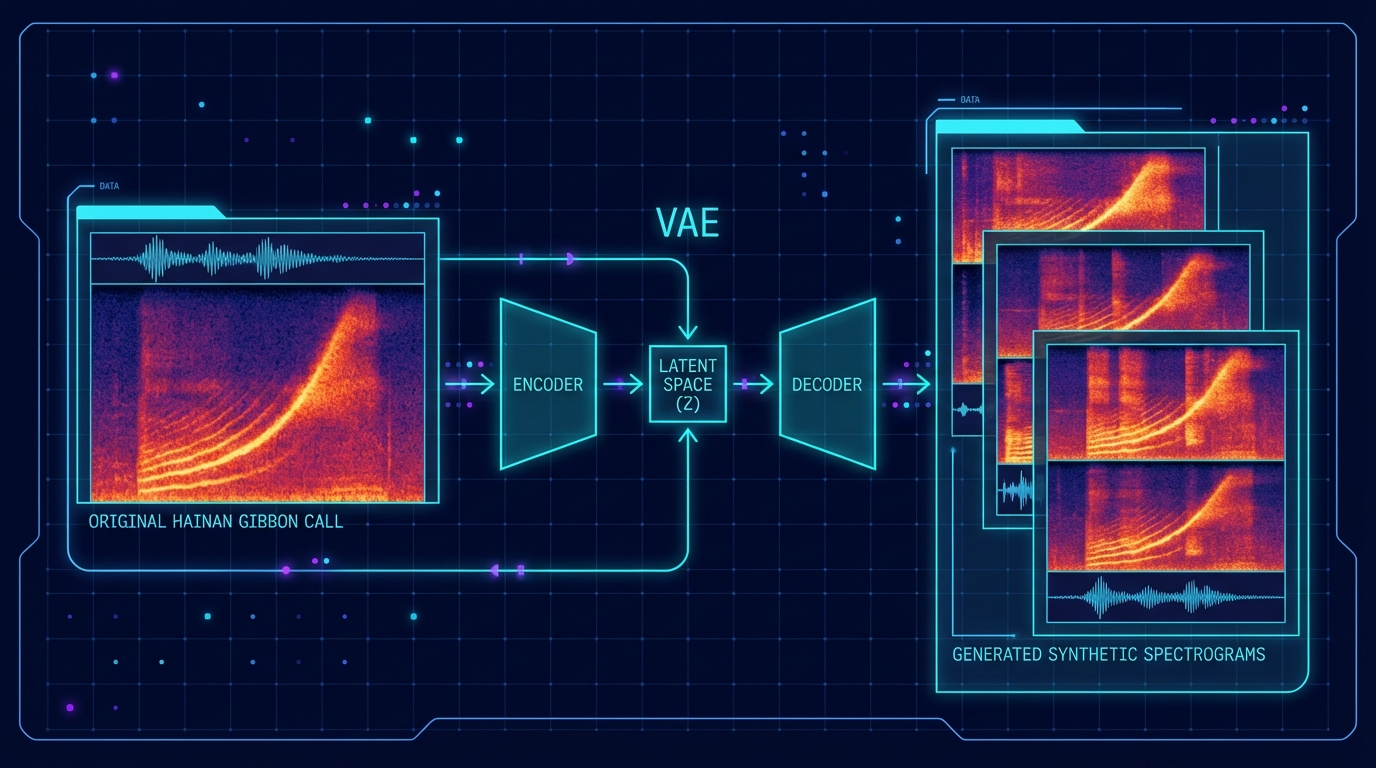 Empirical Evaluation of Variational Autoencoders and Denoising Diffusion Models for Data Augmentation in Bioacoustics ClassificationCharles Herbst, Lorène Jeantet, and Emmanuel DufourqIn South African Computer Science and Information Systems Research Trends, 2024
One major challenge in supervised deep learning is the need for large training datasets to achieve satisfactory generalisation performance. Acquiring audio recordings of endangered animals compounds this issue due to high costs, logistical constraints, and the rarity of the species in question. Typically, bioacoustic datasets have imbalanced class distributions, further complicating model training with limited examples for some rare species. To overcome this, our study proposes the evaluation of generative models for audio augmentation. Generative models, such as Variational Autoencoders (VAEs) and Denoising Diffusion Probabilistic Models (DDPMs), offer the ability to create synthetic data after training on existing datasets. We assess the effectiveness of VAEs and DDPMs in augmenting a bioacoustics dataset, which includes vocalisations of the world’s rarest primate, the Hainan gibbon. We assess the generated synthetic data through visual inspection and by computing the Kernel Inception Distance, to compare the distribution of the generated dataset to the training set. Furthermore, we investigate the efficacy of using the generated dataset to train a deep learning classifier to identify the Hainan gibbon calls. We vary the size of the training datasets and compare the classification performance across four scenarios: no augmentation, augmentation with VAEs, augmentation with DDPMs, and standard bioacoustics augmentation methods. Our study is the first to show that standard audio augmentation methods are as effective as newer generative approaches commonly used in computer vision. Considering the high computational costs of VAEs and DDPMs, this emphasises the suitability of simpler techniques for building deep learning classifiers on bioacoustic datasets.
@inproceedings{herbst_empirical_2024, title = {Empirical Evaluation of Variational Autoencoders and Denoising Diffusion Models for Data Augmentation in Bioacoustics Classification}, isbn = {978-3-031-64881-6}, doi = {10.1007/978-3-031-64881-6_3}, pages = {45--61}, booktitle = {South African Computer Science and Information Systems Research Trends}, publisher = {Springer Nature Switzerland}, author = {Herbst, Charles and Jeantet, Lorène and Dufourq, Emmanuel}, year = {2024}, dimensions = {true}, } - Sci Rep
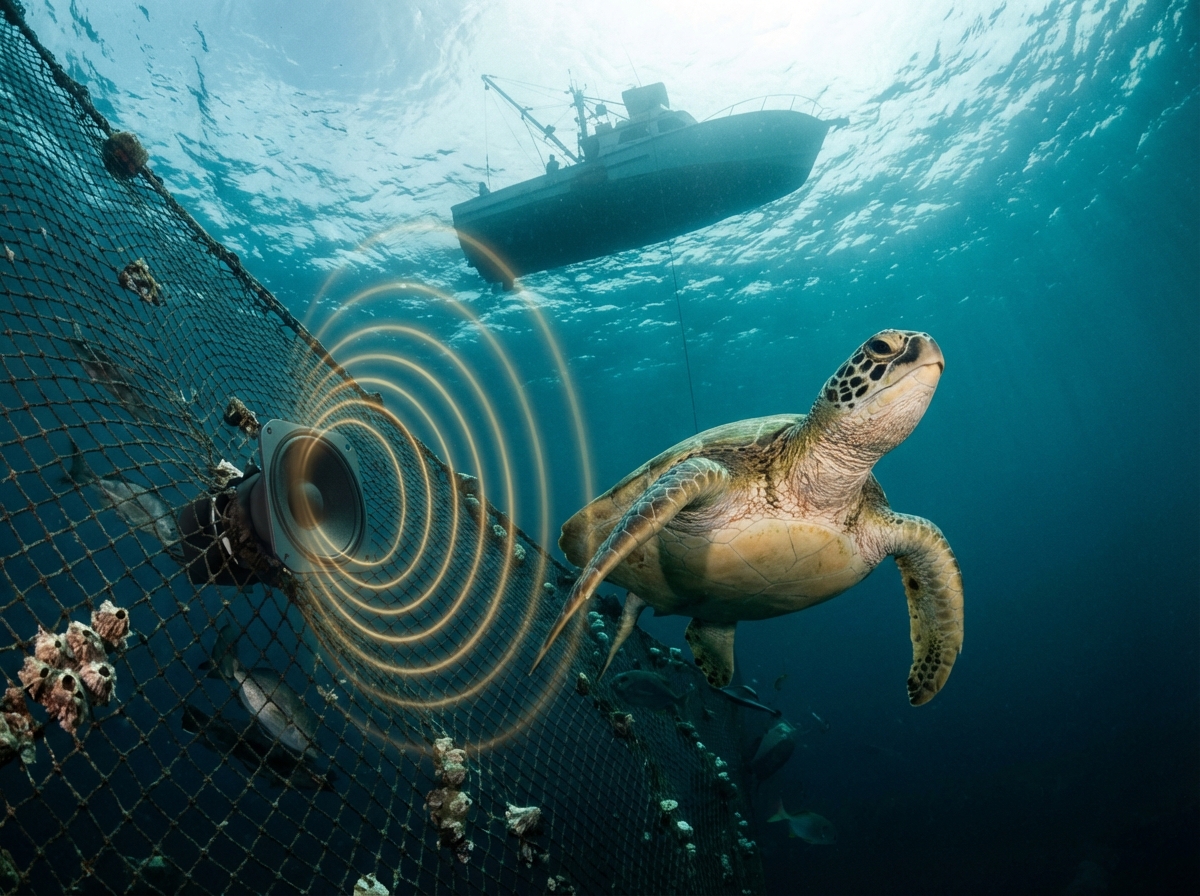 The response of sea turtles to vocalizations opens new perspectives to reduce their bycatchDamien Chevallier, Léo Maucourt, Isabelle Charrier, and 28 more authorsScientific Reports, 2024
Incidental capture of non-target species poses a pervasive threat to many marine species, with sometimes devastating consequences for both fisheries and conservation efforts. Because of the well-known importance of vocalizations in cetaceans, acoustic deterrents have been extensively used for these species. In contrast, acoustic communication for sea turtles has been considered negligible, and this question has been largely unexplored. Addressing this challenge therefore requires a comprehensive understanding of sea turtles’ responses to sensory signals. In this study, we scrutinized the avenue of auditory cues, specifically the natural sounds produced by green turtles (Chelonia mydas) in Martinique, as a potential tool to reduce bycatch. We recorded 10 sounds produced by green turtles and identified those that appear to correspond to alerts, flight or social contact between individuals. Subsequently, these turtle sounds—as well synthetic and natural (earthquake) sounds—were presented to turtles in known foraging areas to assess the behavioral response of green turtles to these sounds. Our data highlighted that the playback of sounds produced by sea turtles was associated with alert or increased the vigilance of individuals. This therefore suggests novel opportunities for using sea turtle sounds to deter them from fishing gear or other potentially harmful areas, and highlights the potential of our research to improve sea turtles populations’ conservation.
@article{chevallier_response_2024, title = {The response of sea turtles to vocalizations opens new perspectives to reduce their bycatch}, volume = {14}, issn = {2045-2322}, doi = {10.1038/s41598-024-67501-z}, number = {16519}, journal = {Scientific Reports}, author = {Chevallier, Damien and Maucourt, Léo and Charrier, Isabelle and Lelong, Pierre and Le Gall, Yves and Menut, Eric and Wallace, Bryan and Delvenne, Cyrielle and Vincze, Orsolya and Jeantet, Lorène and Girondot, Marc and Martin, Jordan and Bourgeois, Ouvéa and Lepori, Muriel and Fournier, Pascal and Fournier-Chambrillon, Christine and Régis, Sidney and Lecerf, Nicolas and Lefebvre, Fabien and Aubert, Nathalie and Arthus, Mosiah and Pujol, Matthieu and Nalovic, Michel Anthony and Nicolas, Moulanier and Burg, Marie-Clémence and Chevallier, Pascale and Chevallier, Tao and Landreau, Antony and Meslier, Stéphane and Larcher, Eugène and Le Maho, Yvon}, year = {2024}, dimensions = {true}, } - Mov. Ecol.
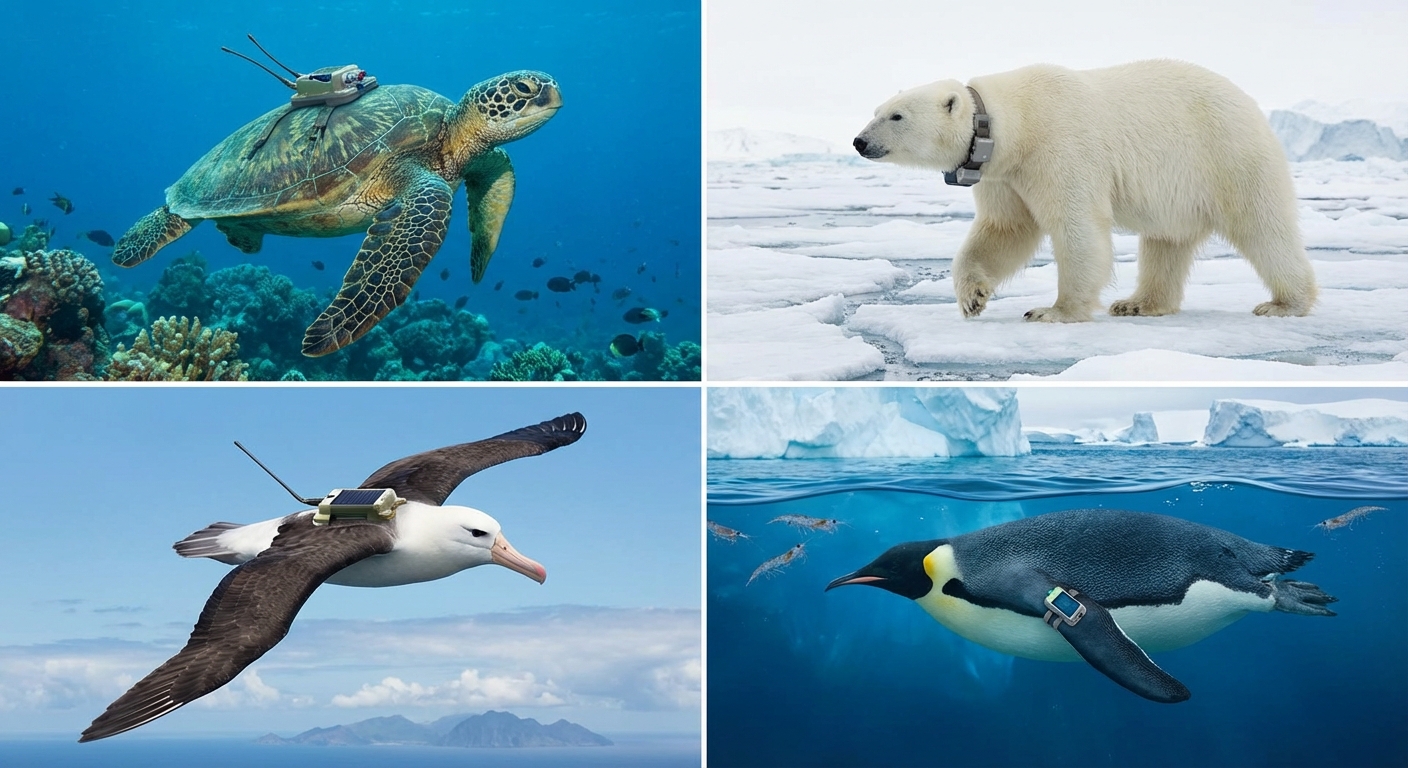 A benchmark for computational analysis of animal behavior, using animal-borne tagsBenjamin Hoffman, Maddie Cusimano, Vittorio Baglione, and 15 more authorsMovement Ecology, 2024
Animal-borne sensors (‘bio-loggers’) can record a suite of kinematic and environmental data, which are used to elucidate animal ecophysiology and improve conservation efforts. Machine learning techniques are used for interpreting the large amounts of data recorded by bio-loggers, but there exists no common framework for comparing the different machine learning techniques in this domain. This makes it difficult to, for example, identify patterns in what works well for machine learning-based analysis of bio-logger data. It also makes it difficult to evaluate the effectiveness of novel methods developed by the machine learning community.
@article{hoffman_benchmark_2024, title = {A benchmark for computational analysis of animal behavior, using animal-borne tags}, volume = {12}, issn = {2051-3933}, doi = {10.1186/s40462-024-00511-8}, pages = {78}, number = {1}, journal = {Movement Ecology}, author = {Hoffman, Benjamin and Cusimano, Maddie and Baglione, Vittorio and Canestrari, Daniela and Chevallier, Damien and {DeSantis}, Dominic L. and Jeantet, Lorène and Ladds, Monique A. and Maekawa, Takuya and Mata-Silva, Vicente and Moreno-González, Víctor and Pagano, Anthony M. and Trapote, Eva and Vainio, Outi and Vehkaoja, Antti and Yoda, Ken and Zacarian, Katherine and Friedlaender, Ari}, year = {2024}, dimensions = {true}, } - JEB
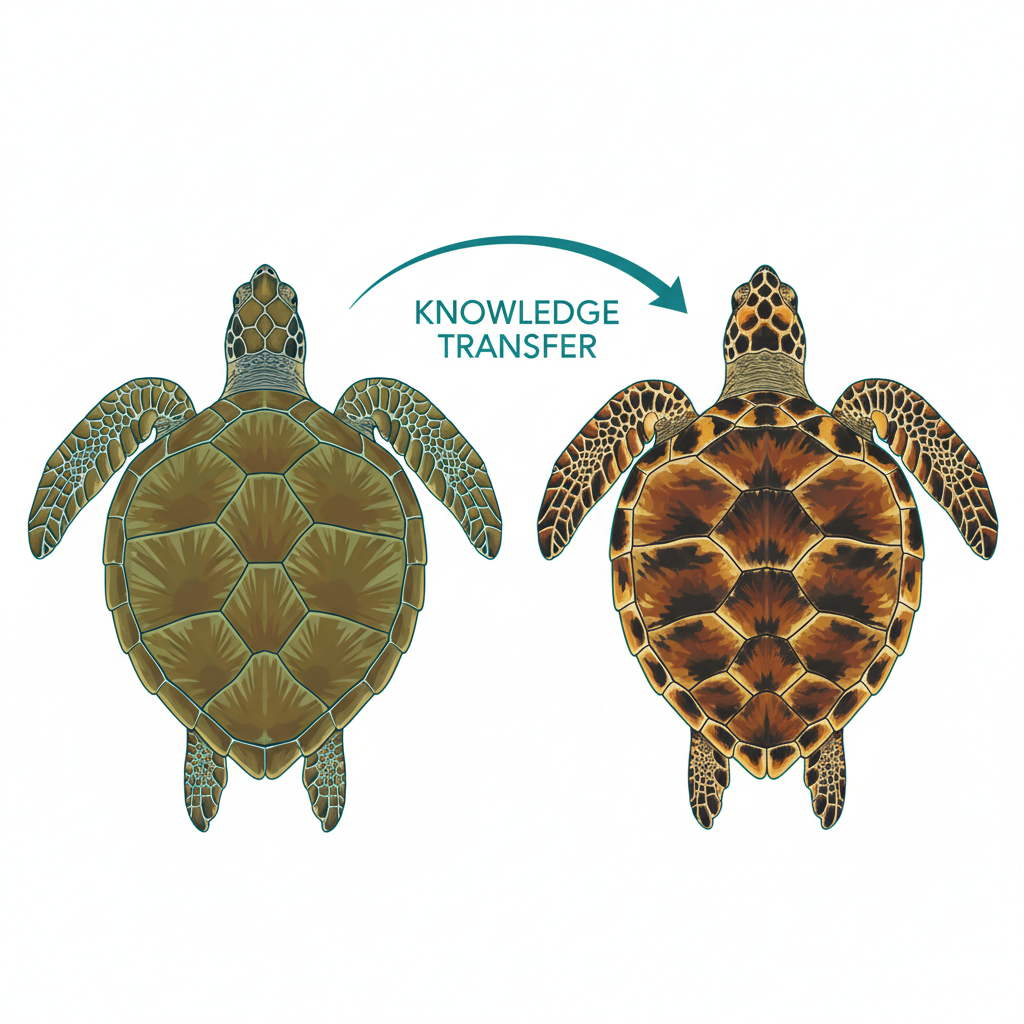 Automatic identification of the endangered hawksbill sea turtle behavior using deep learning and cross-species transfer learningLorène Jeantet, Kukhanya Zondo, Cyrielle Delvenne, and 3 more authorsJournal of Experimental Biology, 2024
The accelerometer, an onboard sensor, enables remote monitoring of animal posture and movement, allowing researchers to deduce behaviors. Despite the automated analysis capabilities provided by deep learning, data scarcity remains a challenge in ecology. We explored transfer learning to classify behaviors from acceleration data of critically endangered hawksbill sea turtles (Eretmochelys imbricata). Transfer learning reuses a model trained on one task from a large dataset to solve a related task. We applied this method using a model trained on green turtles (Chelonia mydas) and adapted it to identify hawksbill behaviors such as swimming, resting and feeding. We also compared this with a model trained on human activity data. The results showed an 8% and 4% F1-score improvement with transfer learning from green turtle and human datasets, respectively. Transfer learning allows researchers to adapt existing models to their study species, leveraging deep learning and expanding the use of accelerometers for wildlife monitoring.
@article{jeantet_automatic_2024,
  title = {Automatic identification of the endangered hawksbill sea turtle behavior using deep learning and cross-species transfer learning},
  volume = {227},
  issn = {0022-0949},
  doi = {10.1242/jeb.249232},
  pages = {jeb249232},
  number = {24},
  journal = {Journal of Experimental Biology},
  author = {Jeantet, Lorène and Zondo, Kukhanya and Delvenne, Cyrielle and Martin, Jordan and Chevallier, Damien and Dufourq, Emmanuel},
  year = {2024},
  dimensions = {true},
}
2023
- Ecol. Inform.
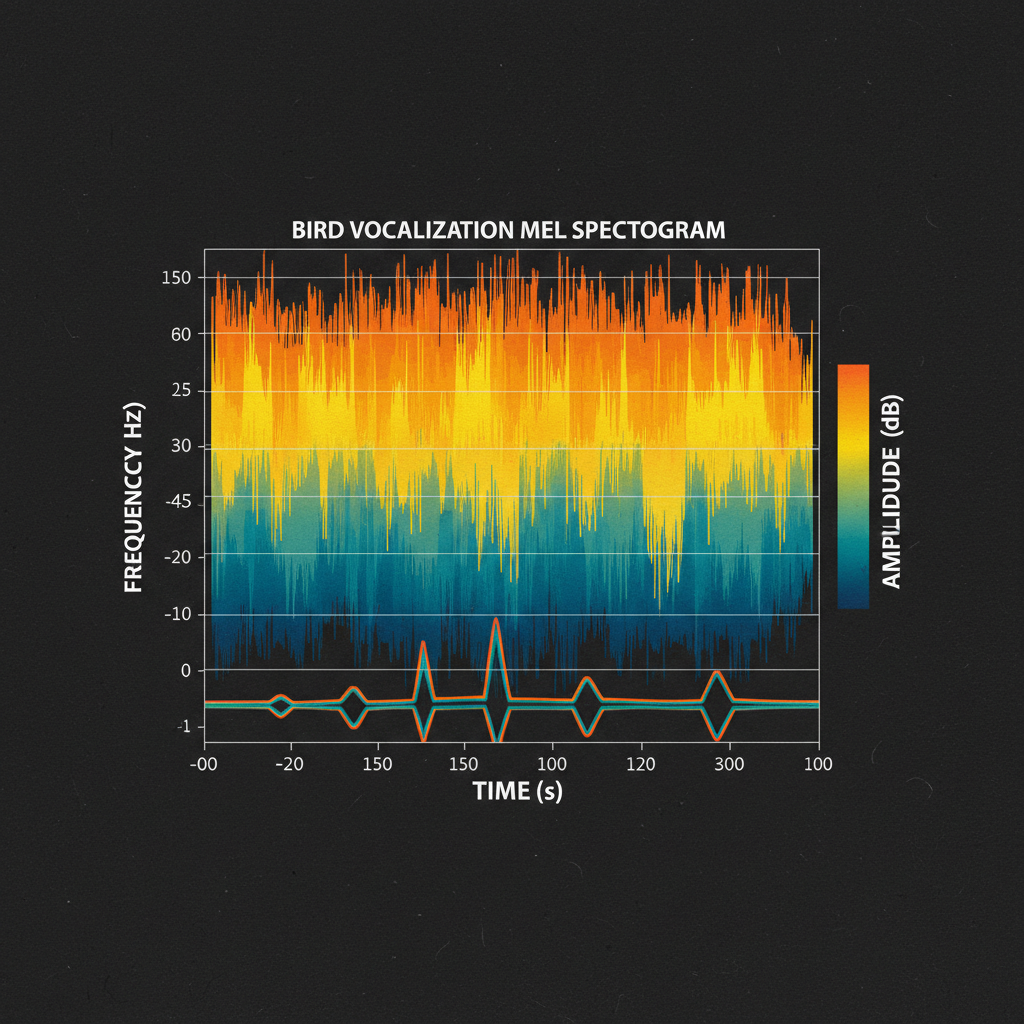 Improving deep learning acoustic classifiers with contextual information for wildlife monitoringLorène Jeantet and Emmanuel DufourqEcological Informatics, 2023
Bioacoustics, the exploration of animal vocalizations and natural soundscapes, has emerged as a valuable tool for studying species within their habitats, particularly those that are challenging to observe. This approach has broadened the horizons of biodiversity assessment and ecological research. However, monitoring wildlife with acoustic recorders produces large volumes of data that can be labor-intensive to analyze. Deep learning has recently transformed many computational disciplines by enabling the automated processing of large and complex datasets and has gained attention within the bioacoustics community. Despite the revolutionary impact of deep learning on acoustic detection and classification, attaining both high detection accuracy and low false positive rates in bioacoustics remains a significant challenge. An intriguing yet unexplored avenue for enhancing deep learning in bioacoustics involves the utilization of contextual information, such as time and location, to discern animal vocalizations within acoustic recordings. As a first case study, a multi-branch Convolutional Neural Network (CNN) was developed to classify 22 different bird songs using spectrograms as a first input, and spatial metadata as a secondary input. A comparison was made to a baseline model with only spectrogram input. A geographical prior neural network was trained, separately, to estimate the probability of a species occurring at a given location. The output of this network was combined with the baseline CNN. As a second case study, temporal data and spectrograms were used as input to a multi-branch CNN for the detection of Hainan gibbon (Nomascus hainanus) calls, the world’s rarest primate. Our findings demonstrate that adding metadata to the bird song classifier significantly improves classification performance, with the highest improvement achieved using the geographical prior model (F1-score of 87.78% compared to 61.02% for the baseline model). The multi-branch CNNs also proved efficient (F1-scores of 76.87% and 78.77%) and simpler to use than the geographical prior. In the second case study, our findings revealed a decrease in false positives by 63% (94% of the calls were detected) when the metadata was used by the multi-branch CNN, and an increase of 19% in gibbon detection. This study has uncovered an exciting new avenue for improving classifier performance in bioacoustics. The methodology described in this study can assist ecologists, wildlife management teams, and researchers in reducing the amount of time spent analyzing large acoustic datasets obtained from passive acoustic monitoring studies. Our approach can be adapted and applied to other calling species, and thus tailored to other use cases.
@article{jeantet_improving_2023,
  title = {Improving deep learning acoustic classifiers with contextual information for wildlife monitoring},
  volume = {77},
  issn = {15749541},
  doi = {10.1016/j.ecoinf.2023.102256},
  journal = {Ecological Informatics},
  author = {Jeantet, Lorène and Dufourq, Emmanuel},
  year = {2023},
  dimensions = {true},
}
2022
- ESR
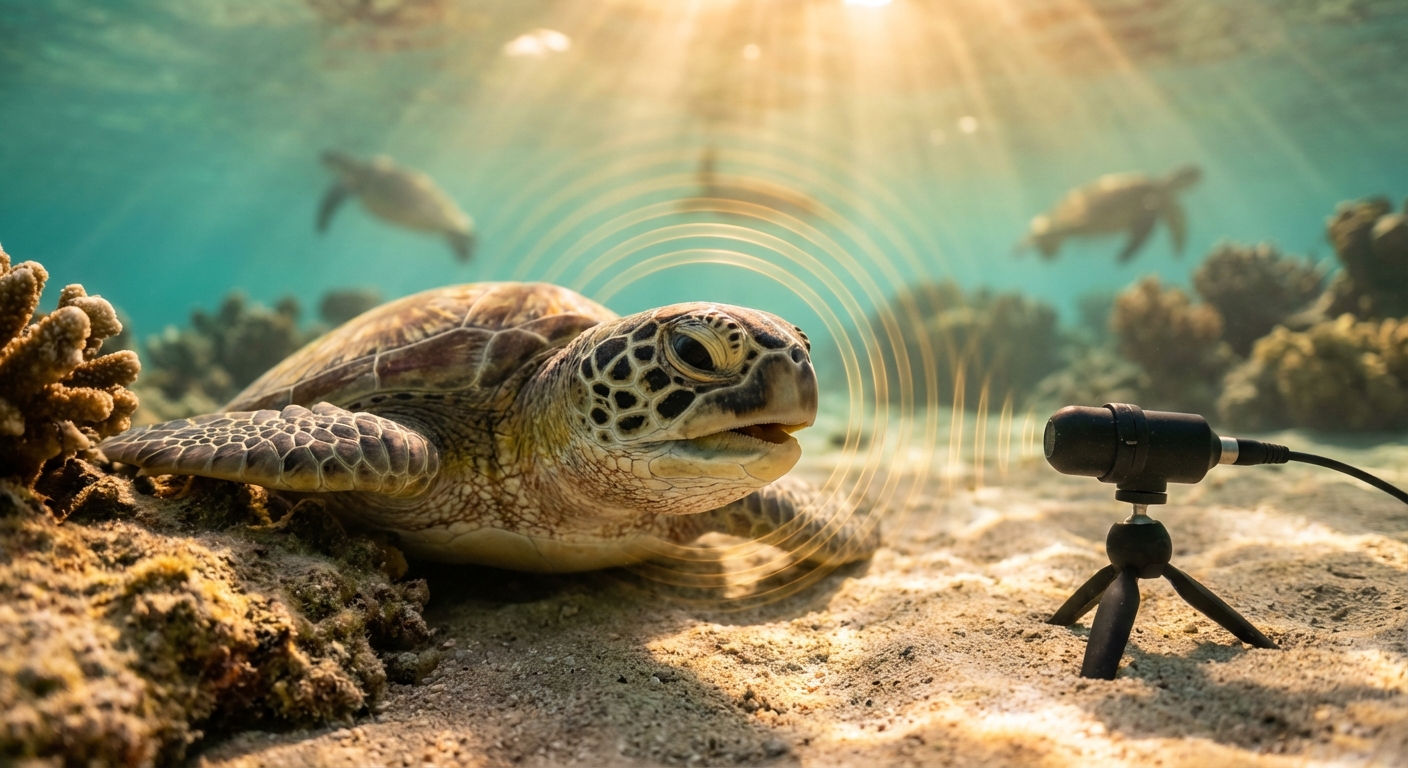 First evidence of underwater vocalizations in green sea turtles Chelonia mydasIsabelle Charrier, Lorène Jeantet, Léo Maucourt, and 4 more authorsEndangered Species Research, 2022
Marine turtles have long been considered to be silent, but few investigations have been performed to confirm such muteness. However, recent studies on the aerial and underwater hearing abilities of marine turtles have shown they have an ability to perceive sounds, suggesting the potential existence of acoustic communication among them. In the present study, audio-video recorders were deployed on 11 free-ranging juvenile green sea turtles Chelonia mydas at Grande Anse d’Arlet in Martinique. The recordings revealed that the turtles produced 10 different sound types that were classified into 4 main categories: pulses, low-amplitude calls (LAC), frequencymodulated sounds, and squeaks. Although other turtles were not observed in close proximity to tagged turtles during the recordings, some of the described sounds were found in most recorded individuals and their frequency characteristics ranged within the underwater hearing range of green sea turtles, suggesting that the sounds could be used for intra-specific communication. While control recordings in the study area without the presence of green sea turtles contained sounds with similar general structure (pulses, LAC), the acoustic characteristics were significantly different to those recorded for green sea turtles. The 2 types of squeaks identified for the turtles were found to be individual-specific, also suggesting they could be used for intra-species communication. Further research on sea turtles is needed to better understand the behavioral and social context of these acoustic productions, especially during the developmental period and breeding season. Thus, the vocal repertoire of green sea turtles is likely to be more diverse than that currently described
@article{charrier_first_2022, title = {First evidence of underwater vocalizations in green sea turtles Chelonia mydas}, volume = {48}, issn = {16134796}, doi = {10.3354/esr01185}, pages = {31--41}, journal = {Endangered Species Research}, author = {Charrier, Isabelle and Jeantet, Lorène and Maucourt, Léo and Régis, Sidney and Lecerf, Nicolas and Benhalilou, Abdelwahab and Chevallier, Damien}, year = {2022}, dimensions = {true}, } - GECCO
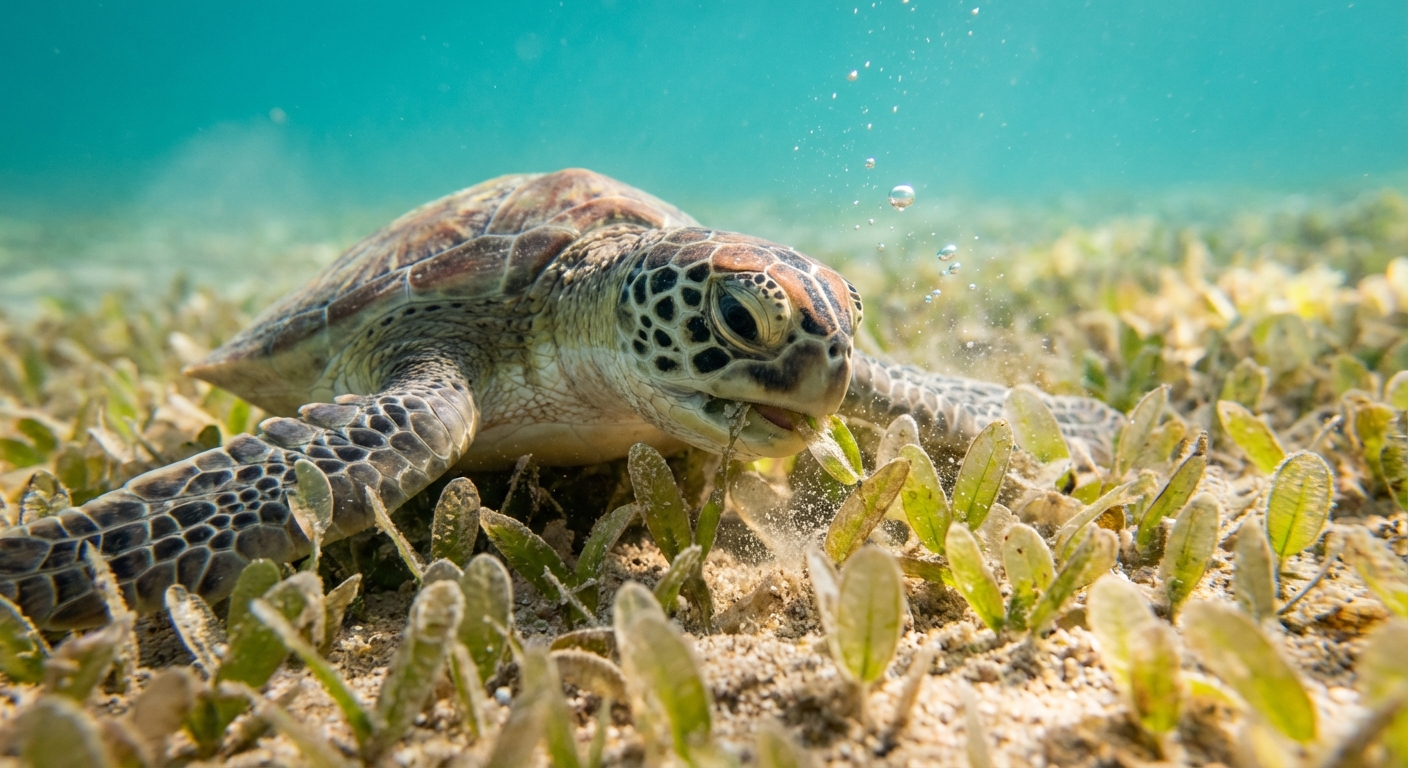 Food selection and habitat use patterns of immature green turtles (Chelonia mydas) on Caribbean seagrass beds dominated by the alien species Halophila stipulaceaFlora Siegwalt, Lorène Jeantet, Pierre Lelong, and 39 more authorsGlobal Ecology and Conservation, 2022
@article{siegwalt_food_2022, title = {Food selection and habitat use patterns of immature green turtles (Chelonia mydas) on Caribbean seagrass beds dominated by the alien species Halophila stipulacea}, volume = {37}, issn = {23519894}, doi = {10.1016/j.gecco.2022.e02169}, pages = {e02169}, issue = {May}, journal = {Global Ecology and Conservation}, author = {Siegwalt, Flora and Jeantet, Lorène and Lelong, Pierre and Martin, Jordan and Girondot, Marc and Bustamante, Paco and Benhalilou, Abdelwahab and Murgale, Céline and Andreani, Lucas and Jacaria, François and Campistron, Guilhem and Lathière, Anthony and Barotin, Charlène and Buret-Rochas, Gaëlle and Barre, Philippe and Hielard, Gaëlle and Arqué, Alexandre and Régis, Sidney and Lecerf, Nicolas and Frouin, Cédric and Lefebvre, Fabien and Aubert, Nathalie and Arthus, Mosiah and Etienne, Denis and Allenou, Jean-Pierre and Delnatte, César and Lafolle, Rachelle and Thobor, Florence and Chevallier, Pascale and Chevallier, Tao and Lepori, Muriel and Assio, Cindy and Grand, Clément and Bonola, Marc and Tursi, Yannick and Varkala, Pierre-Walter and Meslier, Stéphane and Landreau, Anthony and Le Maho, Yvon and Habold, Caroline and Robin, Jean-Patrice and Chevallier, Damien}, year = {2022}, dimensions = {true}, } - Animals
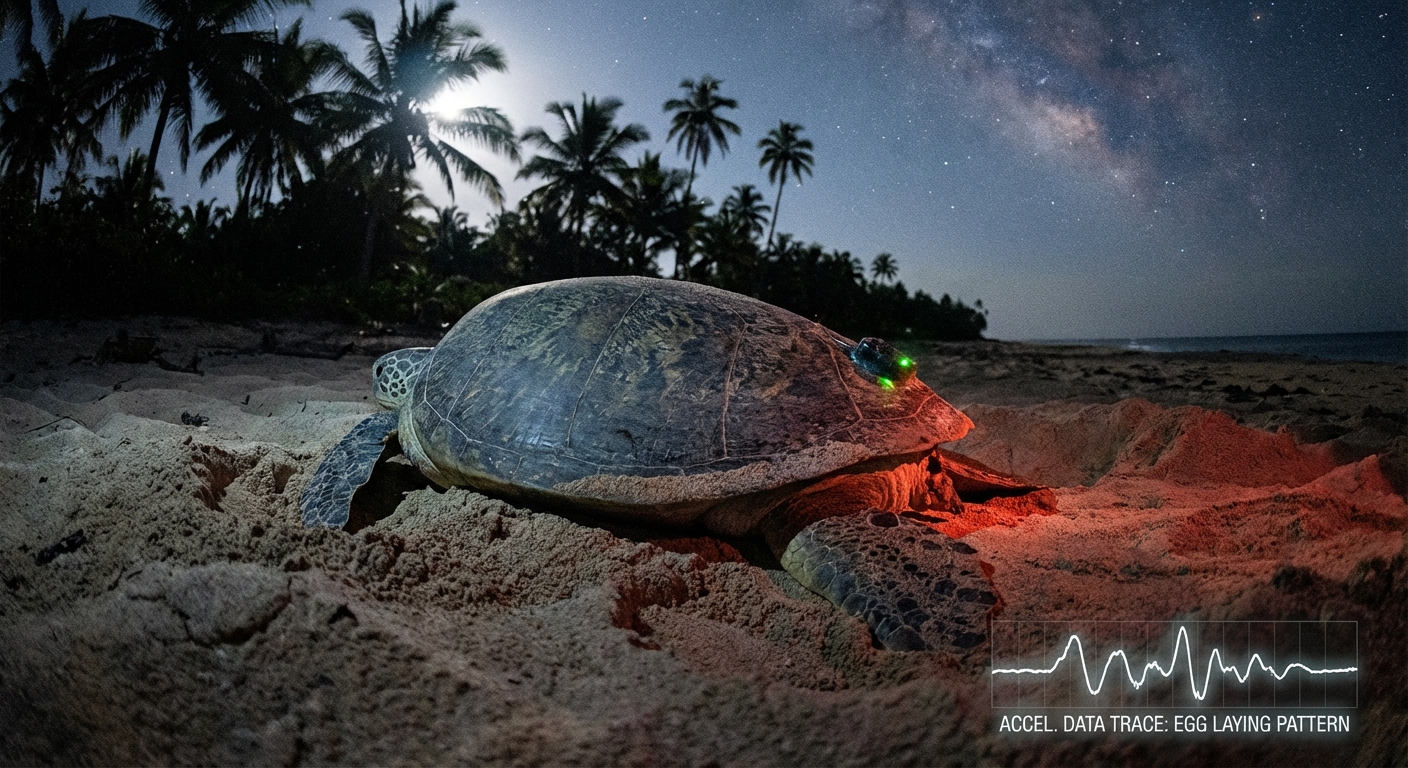 Estimation of the Maternal Investment of Sea Turtles by Automatic Identification of Nesting Behavior and Number of Eggs Laid from a Tri-Axial AccelerometerLorène Jeantet, Vadym Hadetskyi, Vincent Vigon, and 3 more authorsAnimals, 2022
Monitoring reproductive outputs of sea turtles is difficult, as it requires a large number of observers patrolling extended beaches every night throughout the breeding season with the risk of missing nesting individuals. We introduce the first automatic method to remotely record the reproductive outputs of green turtles (Chelonia mydas) using accelerometers. First, we trained a fully convolutional neural network, the V-net, to automatically identify the six behaviors shown during nesting. With an accuracy of 0.95, the V-net succeeded in detecting the Egg laying process with a precision of 0.97. Then, we estimated the number of laid eggs from the predicted Egg laying sequence and obtained the outputs with a mean relative error of 7% compared to the observed numbers in the field. Based on deployment of non-invasive and miniature loggers, the proposed method should help researchers monitor nesting sea turtle populations. Furthermore, its use can be coupled with the deployment of accelerometers at sea during the intra-nesting period, from which behaviors can also be estimated. The knowledge of the behavior of sea turtle on land and at sea during the entire reproduction period is essential to improve our knowledge of this threatened species.
@article{jeantet_estimation_2022, title = {Estimation of the Maternal Investment of Sea Turtles by Automatic Identification of Nesting Behavior and Number of Eggs Laid from a Tri-Axial Accelerometer}, volume = {12}, issn = {20762615}, doi = {10.3390/ani12040520}, number = {4}, journal = {Animals}, author = {Jeantet, Lorène and Hadetskyi, Vadym and Vigon, Vincent and Korysko, François and Paranthoen, Nicolas and Chevallier, Damien}, year = {2022}, dimensions = {true}, } - EcoHealth
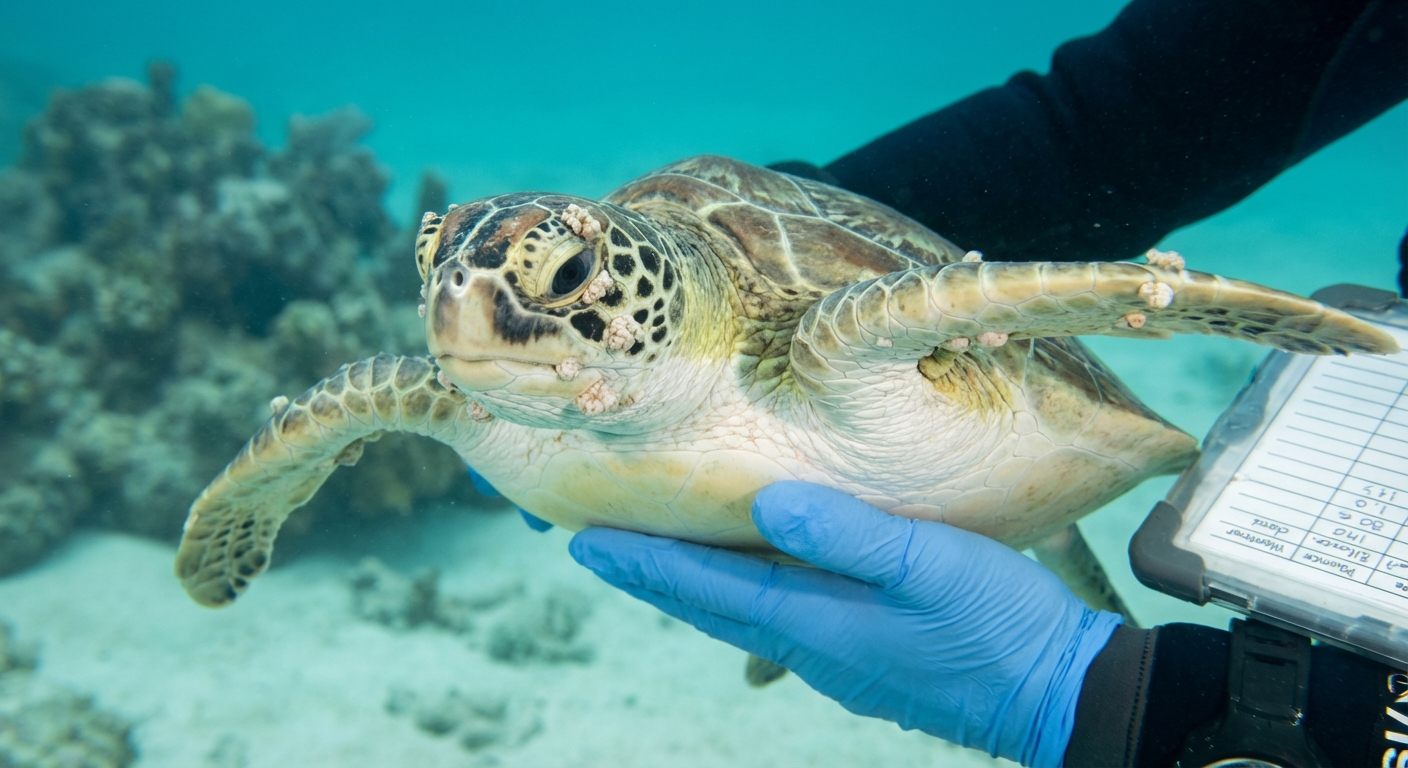 Fibropapillomatosis Prevalence and Distribution in Immature Green Turtles (Chelonia mydas) in Martinique Island (Lesser Antilles)Thibaut Roost, Jo-Ann Schies, Marc Girondot, and 45 more authorsEcoHealth, 2022
Fibropapillomatosis (FP) threatens the survival of green turtle (Chelonia mydas) populations at a global scale, and human activities are regularly pointed as causes of high FP prevalence. However, the association of ecological factors with the disease’s severity in complex coastal systems has not been well established and requires further studies. Based on a set of 405 individuals caught over ten years, this preliminary study provides the first insight of FP in Martinique Island, which is a critical development area for immature green turtles. Our main results are: (i) 12.8% of the individuals were affected by FP, (ii) FP has different prevalence and temporal evolution between very close sites, (iii) green turtles are more frequently affected on the upper body part such as eyes (41.4%), fore flippers (21.9%), and the neck (9.4%), and (iv) high densities of individuals are observed on restricted areas. We hypothesise that turtle’s aggregation enhances horizontal transmission of the disease. FP could represent a risk for immature green turtles’ survival in the French West Indies, a critical development area, which replenishes the entire Atlantic population. Continuing scientific monitoring is required to identify which factors are implicated in this panzootic disease and ensure the conservation of the green turtle at an international scale.
@article{roost_fibropapillomatosis_2022,
  title = {Fibropapillomatosis Prevalence and Distribution in Immature Green Turtles (Chelonia mydas) in Martinique Island (Lesser Antilles)},
  volume = {19},
  issn = {1612-9210},
  doi = {10.1007/s10393-022-01601-y},
  pages = {190--202},
  number = {2},
  journal = {EcoHealth},
  author = {Roost, Thibaut and Schies, Jo-Ann and Girondot, Marc and Robin, Jean-Patrice and Lelong, Pierre and Martin, Jordan and Siegwalt, Flora and Jeantet, Lorène and Giraudeau, Mathieu and Le Loch, Guillaume and Bejarano, Manola and Bonola, Marc and Benhalilou, Abdelwahab and Murgale, Céline and Andreani, Lucas and Jacaria, François and Campistron, Guilhem and Lathière, Anthony and Martial, François and Hielard, Gaëlle and Arqué, Alexandre and Régis, Sidney and Lecerf, Nicolas and Frouin, Cédric and Lefebvre, Fabien and Aubert, Nathalie and Flora, Frédéric and Pimentel, Esteban and Lafolle, Rachelle and Thobor, Florence and Arthus, Mosiah and Etienne, Denis and Lecerf, Nathaël and Allenou, Jean-Pierre and Desigaux, Florian and Larcher, Eugène and Larcher, Christian and Curto, Alberto Lo and Befort, Joanne and Maceno-Panevel, Myriane and Lepori, Muriel and Chevallier, Pascale and Chevallier, Tao and Meslier, Stéphane and Landreau, Anthony and Habold, Caroline and Le Maho, Yvon and Chevallier, Damien},
  year = {2022},
  dimensions = {true},
}
2021
- Ecol. Model.
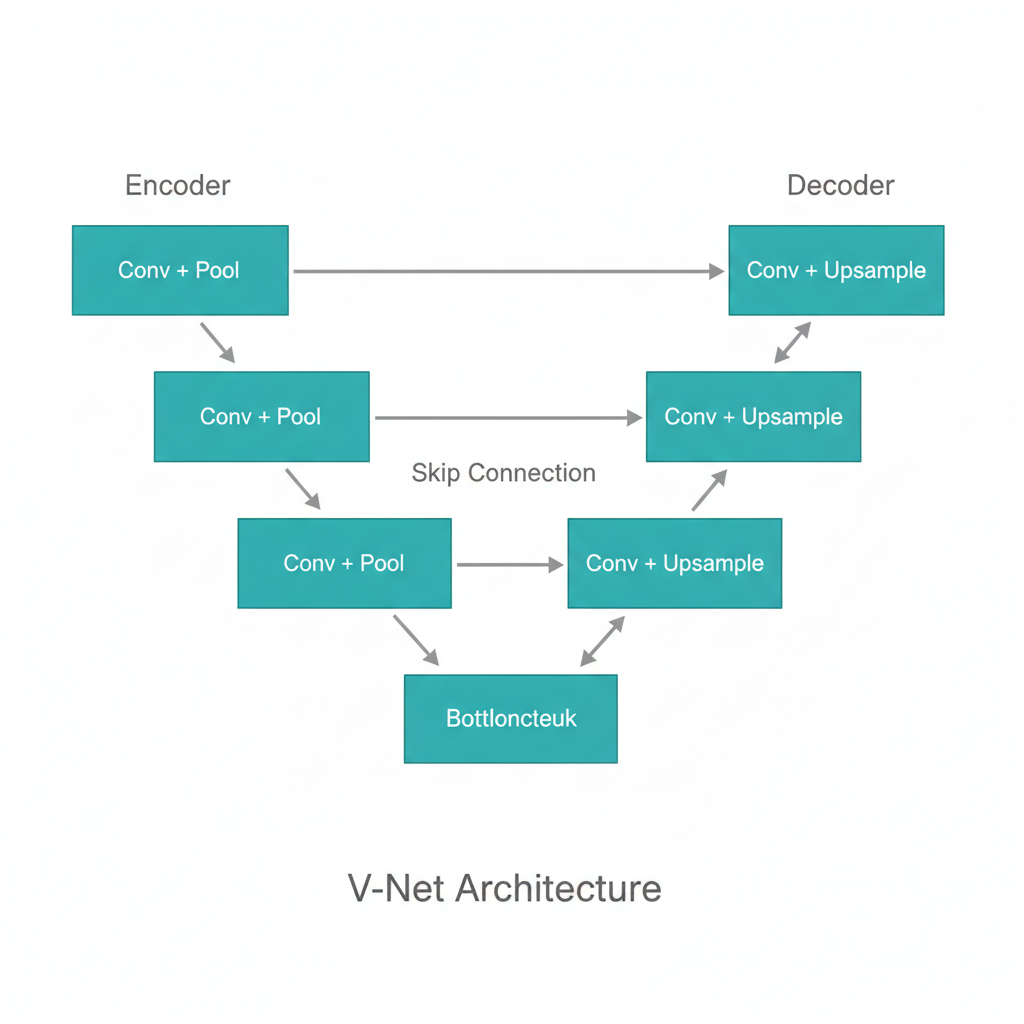 Fully convolutional neural network : a solution to infer animal behaviours from multi-sensor dataL. Jeantet, V. Vigon, S. Geiger, and 1 more authorEcological Modelling, 2021
Artificial neural networks are powerful supervised learning algorithms that are based on deep learning and have been poorly exploited in movement ecology.In this study, we adapt a fully convolutional neural network that was originally developed for biomedical 3D image segmentation: the V-net. We test it on a labelled dataset collected from animal-borne video recorders combined with multi-sensors (accelerometers, gyroscopes and depth recorders) deployed on free-ranging immature green turtles (Chelonia mydas). The proposed model, fitted for 1D data, is able to predict six behavioural categories for green turtles with an AUC score of 88%. Thus, diverted from its initial purpose and tested on sea turtle, the V-net is a very efficient method of behavioural identification that should be easily generalized to a wide range of species.
@article{Jeantet2021,
  title = {Fully convolutional neural network : a solution to infer animal behaviours from multi-sensor data},
  volume = {450},
  doi = {10.1016/j.ecolmodel.2021.109555},
  number = {109555},
  journal = {Ecological Modelling},
  author = {Jeantet, L. and Vigon, V. and Geiger, S. and Chevallier, D.},
  year = {2021},
  dimensions = {true},
}
2020
- R. Soc. Open Sci.
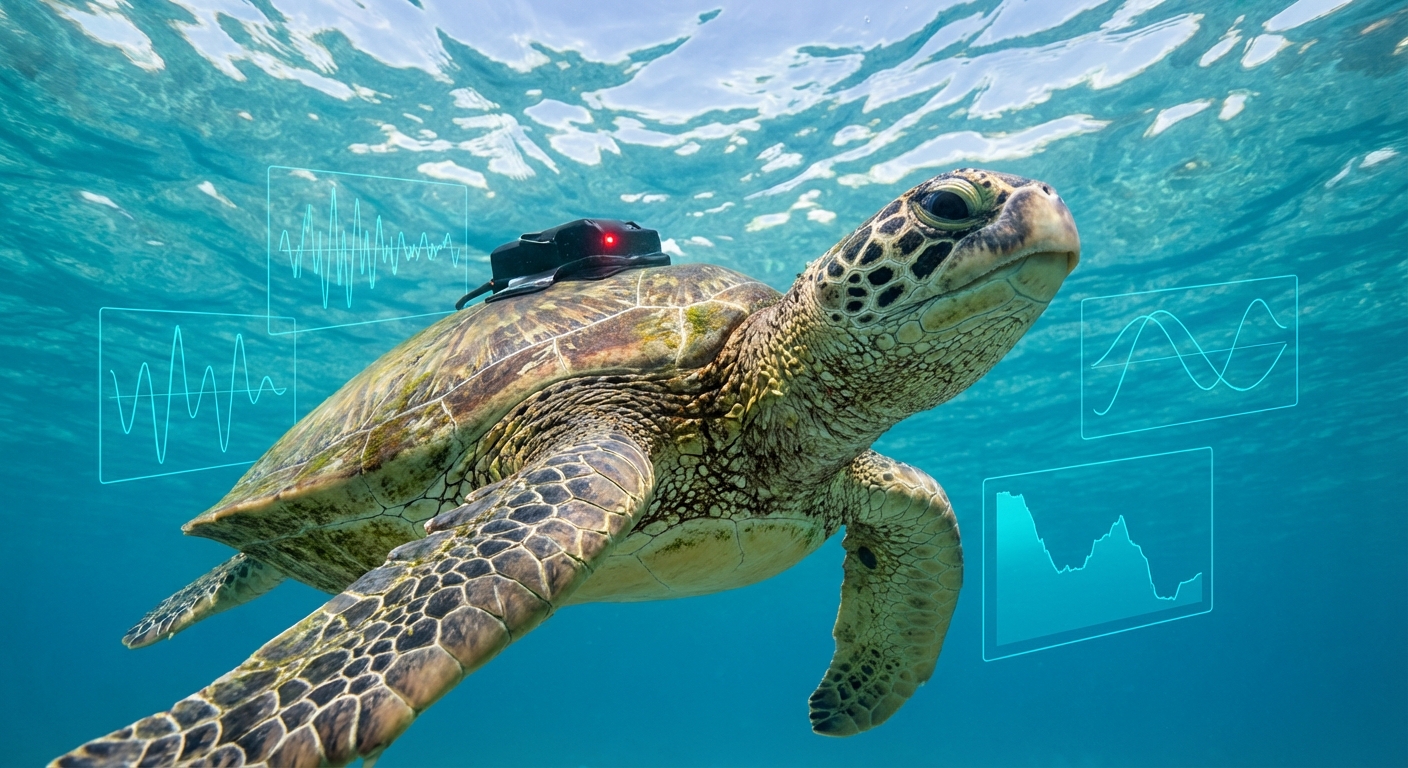 Behavioural inference from signal processing using animal-borne multi-sensor loggers: a novel solution to extend the knowledge of sea turtle ecologyL. Jeantet, V. Planas-Bielsa, S. Benhamou, and 24 more authorsRoyal Society Open Science, 2020
The identification of sea turtle behaviours is a prerequisite to predicting the activities and time-budget of these animals in their natural habitat over the long term. However, this is hampered by a lack of reliable methods that enable the detection and monitoring of certain key behaviours such as feeding. This study proposes a combined approach that automatically identifies the different behaviours of free-ranging sea turtles through the use of animal-borne multi-sensor recorders (accelerometer, gyroscope and time-depth recorder), validated by animal-borne video-recorder data. We show here that the combination of supervised learning algorithms and multi-signal analysis tools can provide accurate inferences of the behaviours expressed, including feeding and scratching behaviours that are of crucial ecological interest for sea turtles. Our procedure uses multi-sensor miniaturized loggers that can be deployed on free-ranging animals with minimal disturbance. It provides an easily adaptable and replicable approach for the long-term automatic identification of the different activities and determination of time-budgets in sea turtles. This approach should also be applicable to a broad range of other species and could significantly contribute to the conservation of endangered species by providing detailed knowledge of key animal activities such as feeding, travelling and resting.
@article{jeantet_behavioural_2020, title = {Behavioural inference from signal processing using animal-borne multi-sensor loggers: a novel solution to extend the knowledge of sea turtle ecology}, volume = {7}, issn = {2054-5703}, doi = {10.1098/rsos.200139}, pages = {200139}, number = {5}, journal = {Royal Society Open Science}, author = {Jeantet, L. and Planas-Bielsa, V. and Benhamou, S. and Geiger, S. and Martin, J. and Siegwalt, F. and Lelong, P. and Gresser, J. and Etienne, D. and Hiélard, G. and Arque, Alexandre and Regis, S. and Lecerf, N. and Frouin, C. and Benhalilou, A. and Murgale, C. and Maillet, T. and Andreani, L. and Campistron, G. and Delvaux, H. and Guyon, C. and Richard, S. and Lefebvre, F. and Aubert, N. and Habold, C. and le Maho, Y.n and Chevallier, D.}, year = {2020}, } - Sensors
 A lean and performant hierarchical model for human activity recognition using body-mounted sensorsI. Debache, L. Jeantet, D. Chevallier, and 2 more authorsSensors, 2020
Here we propose a new machine learning algorithm for classification of human activities by means of accelerometer and gyroscope signals. Based on a novel hierarchical system of logistic regression classifiers and a relatively small set of features extracted from the filtered signals, the proposed algorithm outperformed previous work on the DaLiAc (Daily Life Activity) and mHealth datasets. The algorithm also represents a significant improvement in terms of computational costs and requires no feature selection and hyper-parameter tuning. The algorithm still showed a robust performance with only two (ankle and wrist) out of the four devices (chest, wrist, hip and ankle) placed on the body (96.8% vs. 97.3% mean accuracy for the DaLiAc dataset). The present work shows that low-complexity models can compete with heavy, inefficient models in classification of advanced activities when designed with a careful upstream inspection of the data.
@article{debache_lean_2020, title = {A lean and performant hierarchical model for human activity recognition using body-mounted sensors}, volume = {20}, issn = {14248220}, doi = {10.3390/s20113090}, number = {11}, journal = {Sensors}, author = {Debache, I. and Jeantet, L. and Chevallier, D. and Bergouignan, A. and Sueur, C.}, year = {2020}, dimensions = {true}, } - Biol. Conserv.
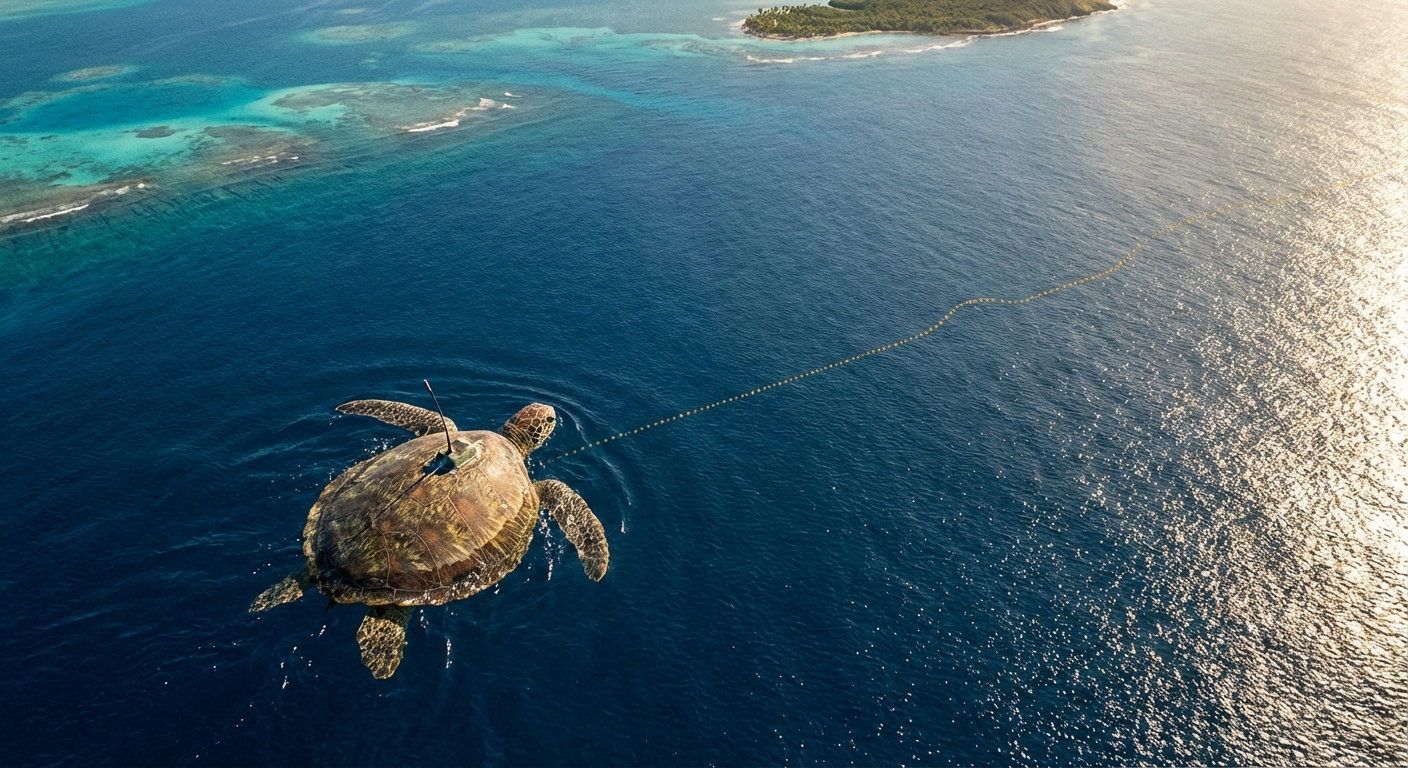 High fidelity of sea turtles to their foraging grounds revealed by satellite tracking and capture-mark-recapture: New insights for the establishment of key marine conservation areas.Flora Siegwalt, Simon Benhamou, Marc Girondot, and 41 more authorsBiological Conservation, 2020
@article{siegwalt_high_2020, title = {High fidelity of sea turtles to their foraging grounds revealed by satellite tracking and capture-mark-recapture: New insights for the establishment of key marine conservation areas.}, volume = {250}, issn = {0006-3207}, doi = {10.1016/j.biocon.2020.108742}, pages = {108742}, issue = {July}, journal = {Biological Conservation}, author = {Siegwalt, Flora and Benhamou, Simon and Girondot, Marc and Jeantet, Lorène and Martin, Jordan and Bonola, Marc and Lelong, Pierre and Grand, Clément and Chambault, Philippine and Benhalilou, Abdelwahab and Murgale, Céline and Maillet, Thomas and Andreani, Lucas and Campistron, Guilhem and Jacaria, François and Hielard, Gaëlle and Arqué, Alexandre and Etienne, Denis and Gresser, Julie and Régis, Sidney and Lecerf, Nicolas and Frouin, Cédric and Lefebvre, Fabien and Aubert, Nathalie and Vedie, Fabien and Barnerias, Cyrille and Thieulle, Laurent and Guimera, Christelle and Bouaziz, Myriam and Pinson, Adrien and Flora, Frédéric and George, Francis and Eggenspieler, Joffrey and Woignier, Thierry and Allenou, Jean-Pierre and Louis-Jean, Laurent and Chanteur, Bénédicte and Béranger, Christelle and Crillon, Jessica and Brador, Aude and Habold, Caroline and Maho, Yvon Le and Robin, Jean-Patrice and Chevallier, Damien}, year = {2020}, dimensions = {true}, }
2019
- Biol. Open
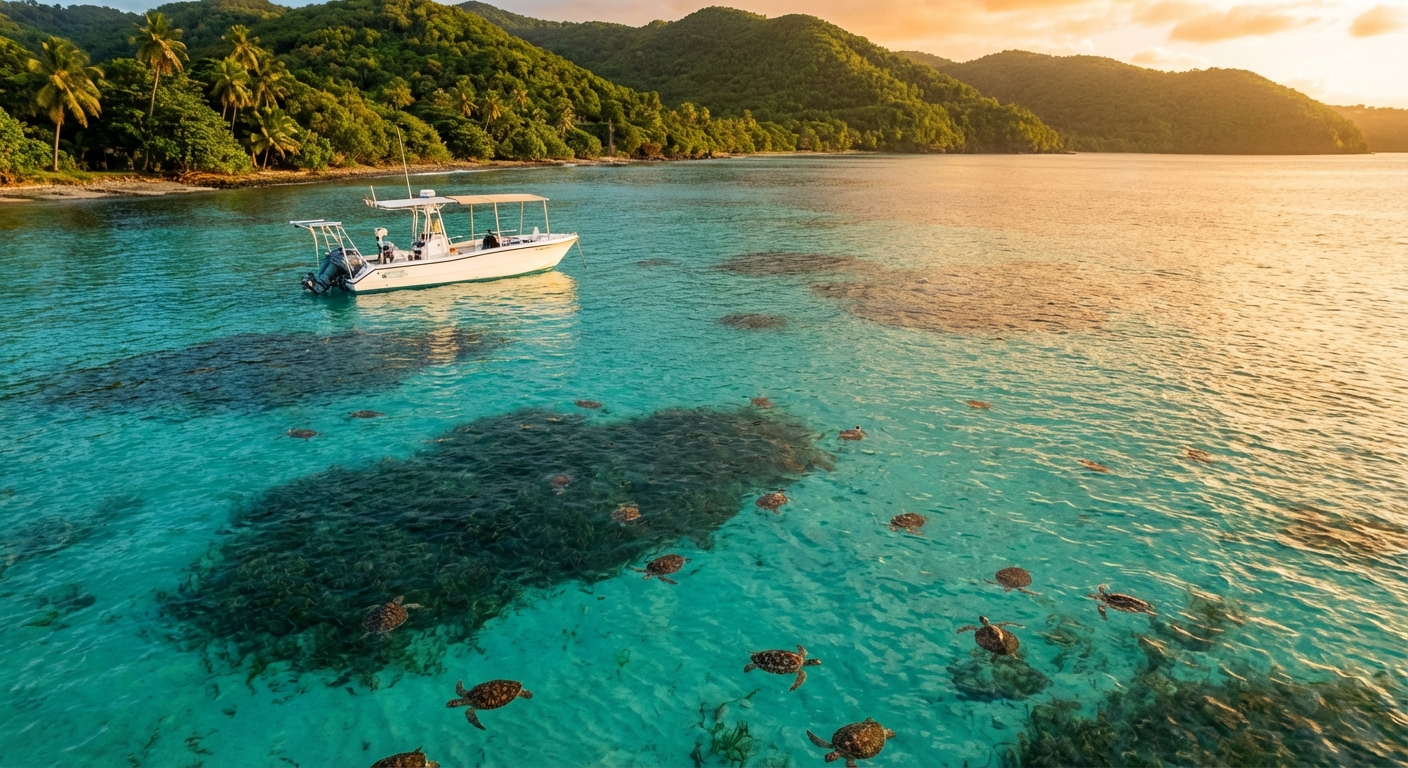 Fine scale geographic residence and annual primary production drive body condition of wild immature green turtles (Chelonia mydas) in Martinique Island (Lesser Antilles)Marc Bonola, Marc Girondot, Jean Patrice Robin, and 44 more authorsBiology Open, 2019
The change of animal biometrics (body mass and body size) can reveal important information about their living environment as well as determine the survival potential and reproductive success of individuals and thus the persistence of populations. However, weighing individuals like marine turtles in the field presents important logistical difficulties. In this context, estimating body mass (BM) based on body size is a crucial issue. Furthermore, the determinants of the variability of the parameters for this relationship can provide information about the quality of the environment and the manner in which individuals exploit the available resources. This is of particular importance in young individuals where growth quality might be a determinant of adult fitness. Our study aimed to validate the use of different body measurements to estimate BM, which can be difficult to obtain in the field, and explore the determinants of the relationship between BM and size in juvenile green turtles. Juvenile green turtles were caught, measured, and weighed over 6 years (2011–2012; 2015–2018) at six bays to the west of Martinique Island (Lesser Antilles). Using different datasets from this global database, we were able to show that the BM of individuals can be predicted from body measurements with an error of less than 2%. We built several datasets including different morphological and time-location information to test the accuracy of the mass prediction. We show a yearly and north–south pattern for the relationship between BM and body measurements. The year effect for the relationship of BM and size is strongly correlated with net primary production but not with sea surface temperature or cyclonic events. We also found that if the bay locations and year effects were removed from the analysis, the mass prediction degraded slightly but was still less than 3% on average. Further investigations of the feeding habitats in Martinique turtles are still needed to better understand these effects and to link them with geographic and oceanographic conditions.
@article{bonola_fine_2019,
  title = {Fine scale geographic residence and annual primary production drive body condition of wild immature green turtles (Chelonia mydas) in Martinique Island (Lesser Antilles)},
  volume = {8},
  issn = {20466390},
  doi = {10.1242/bio.048058},
  number = {12},
  year = {2019},
  journal = {Biology Open},
  author = {Bonola, Marc and Girondot, Marc and Robin, Jean Patrice and Martin, Jordan and Siegwalt, Flora and Jeantet, Lorene and Lelong, Pierre and Grand, Clément and Chambault, Philippine and Etienne, Denis and Gresser, Julie and Hielard, Gaëlle and Arqué, Alexandre and Régis, Sidney and Lecerf, Nicolas and Frouin, Cédric and Lefebvre, Fabien and Sutter, Emmanuel and Vedie, Fabien and Barnerias, Cyrille and Thieulle, Laurent and Bordes, Robinson and Guimera, Christelle and Aubert, Nathalie and Bouaziz, Myriam and Pinson, Adrien and Flora, Frédéric and Duru, Matthieu and Benhalilou, Abdelwahab and Murgale, Céline and Maillet, Thomas and Andreani, Lucas and Campistron, Guilhem and Sikora, Maxym and Rateau, Fabian and George, Francis and Eggenspieler, Joffrey and Woignier, Thierry and Allenou, Jean Pierre and Louis-Jean, Laurent and Chanteur, Bénédicte and Béranger, Christelle and Crillon, Jessica and Brador, Aude and Habold, Caroline and Le Maho, Yvon and Chevallier, Damien},
  dimensions = {true},
}
2018
- JEB
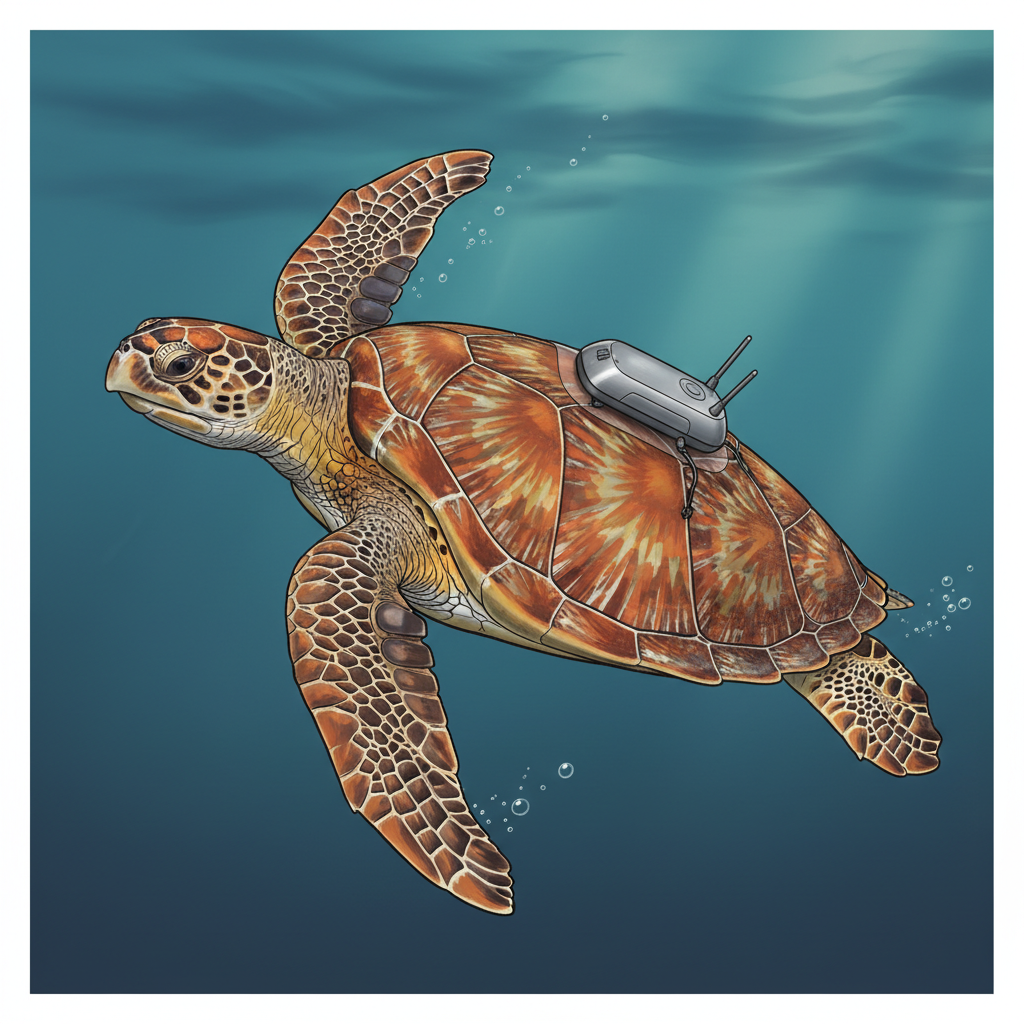 Combined use of two supervised learning algorithms to model sea turtle behaviours from tri-axial acceleration dataL. Jeantet, F. Dell’Amico, M. A. Forin-Wiart, and 16 more authorsJournal of Experimental Biology, 2018
Accelerometers are becoming ever more important sensors in animalattached technology, providing data that allow determination of body posture and movement and thereby helping to elucidate behaviour in animals that are difficult to observe. We sought to validate the identification of sea turtle behaviours from accelerometer signals by deploying tags on the carapace of a juvenile loggerhead (Caretta caretta), an adult hawksbill (Eretmochelys imbricata) and an adult green turtle (Chelonia mydas) at Aquarium La Rochelle, France. We recorded tri-axial acceleration at 50 Hz for each species for a full day while two fixed cameras recorded their behaviours. We identified behaviours from the acceleration data using two different supervised learning algorithms, Random Forest and Classification And Regression Tree (CART), treating the data from the adult animals as separate from the juvenile data. We achieved a global accuracy of 81.30% for the adult hawksbill and green turtle CART model and 71.63% for the juvenile loggerhead, identifying 10 and 12 different behaviours, respectively. Equivalent figures were 86.96% for the adult hawksbill and green turtle Random Forest model and 79.49% for the juvenile loggerhead, for the same behaviours. The use of Random Forest combined with CART algorithms allowed us to understand the decision rules implicated in behaviour discrimination, and thus remove or group together some ‘confused’ or under-represented behaviours in order to get the most accurate models. This study is the first to validate accelerometer data to identify turtle behaviours and the approach can now be tested on other captive sea turtle species.
@article{jeantet_combined_2018,
  title = {Combined use of two supervised learning algorithms to model sea turtle behaviours from tri-axial acceleration data},
  author = {Jeantet, L. and Dell'Amico, F. and Forin-Wiart, M. A. and Coutant, M. and Bonola, M. and Etienne, D. and Gresser, J. and Regis, S. and Lecerf, N. and Lefebvre, F. and De Thoisy, B. and Le Maho, Y. and Brucker, M. and Châtelain, N. and Laesser, R. and Crenner, F. and Handrich, Y. and Wilson, R. and Chevallier, D.},
  year = {2018},
  doi = {10.1242/jeb.177378},
  journal = {Journal of Experimental Biology},
  volume = {221},
  dimensions = {true},
}